- World’s Largest AI Data Centre Campus
- 8,000-Acre Technology Landscape
- 50+ Hyperscale Data Centres
- Carbon Capture–Enabled Power Systems
- Mixed-Use Innovation District
- 7.5-Gigawatt Powered-Compute Platform
The exponential growth of artificial intelligence and cloud computing is driving an unprecedented demand for digital infrastructure. Hyperscale AI data centres require enormous computing power and energy capacity, yet the facilities that house them are often large, resource-intensive buildings that can be difficult to integrate responsibly into their environmental and community contexts. At the same time, global technology companies are under increasing pressure to reduce carbon emissions and deliver sustainable infrastructure at a never-before-seen scale.
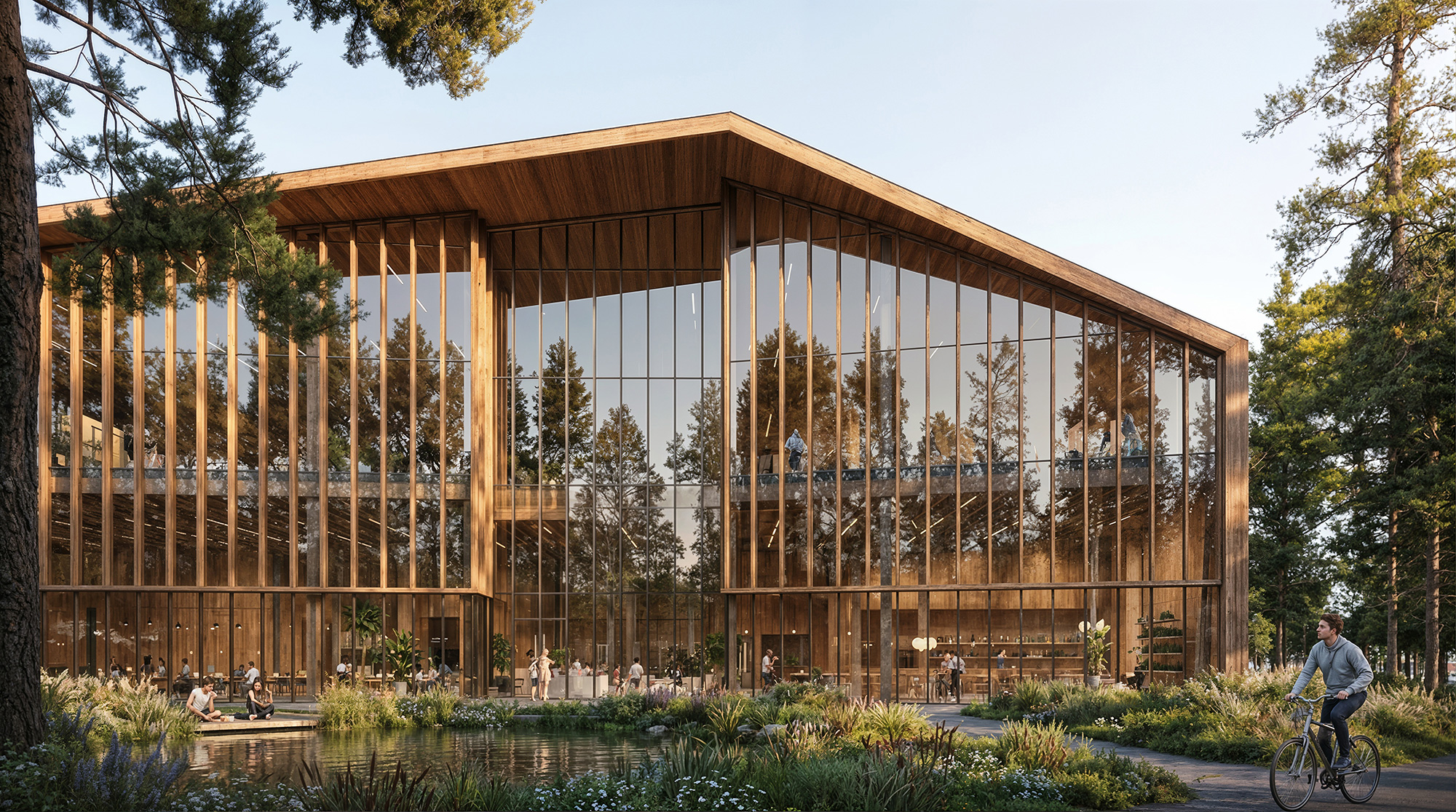
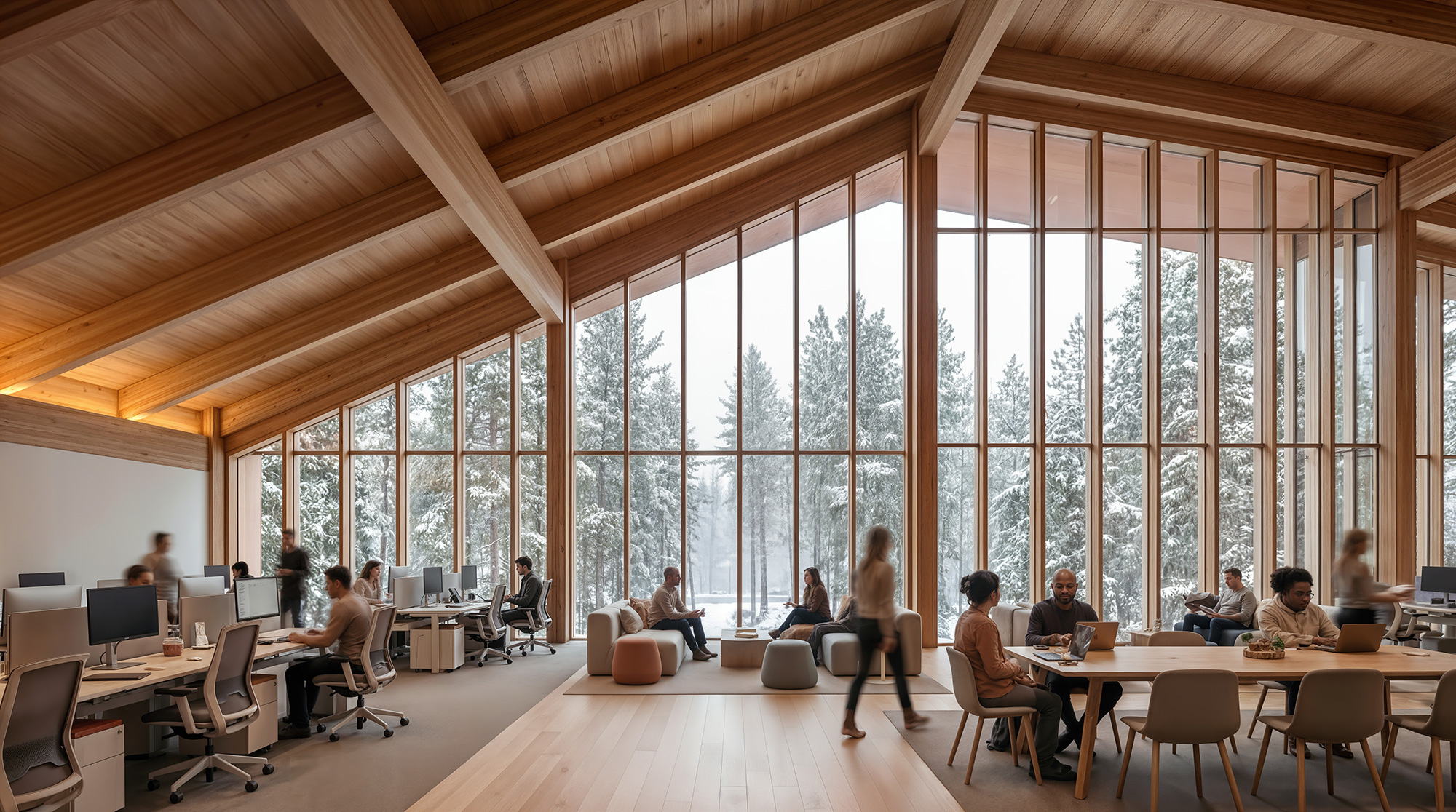
Spanning nearly 8,000 acres in Grande Prairie, Alberta, the Wonder Valley campus is planned to become the world’s largest AI data-centre campus at full build-out, supporting more than 50 facilities with a combined capacity of approximately 7.5 gigawatts. Located atop one of the world’s largest active natural gas reserves, the campus uses “behind-the-meter” on-site power generation paired with large-scale carbon capture. The project repurposes timber harvested during site preparation for mass-timber construction, transforming site clearing into a key component of the project’s embodied-carbon reduction strategy.
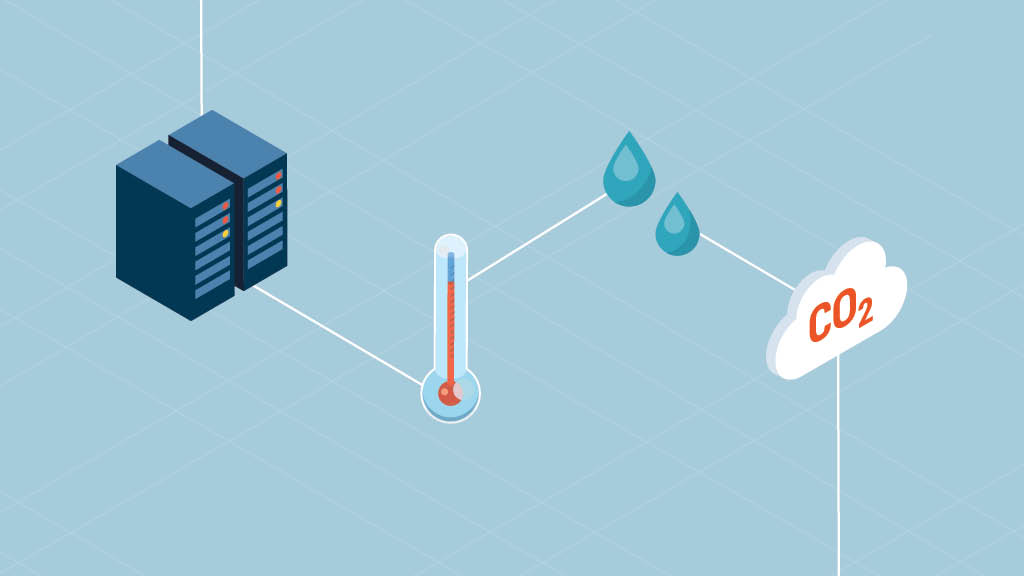
Wonder Valley establishes a new model for sustainable hyperscale computing infrastructure. Designed to capture and sequester 100% of carbon from on-site natural gas power generation, the project dramatically reduces operational emissions at an unprecedented scale. The campus leverages timber harvested from the surrounding forest, lowering embodied carbon while supporting the regional forestry economy. District energy systems redistribute waste heat from high-performance computing, transforming the campus into regenerative infrastructure that powers, heats, and supports a new innovation district in Northwest Alberta.
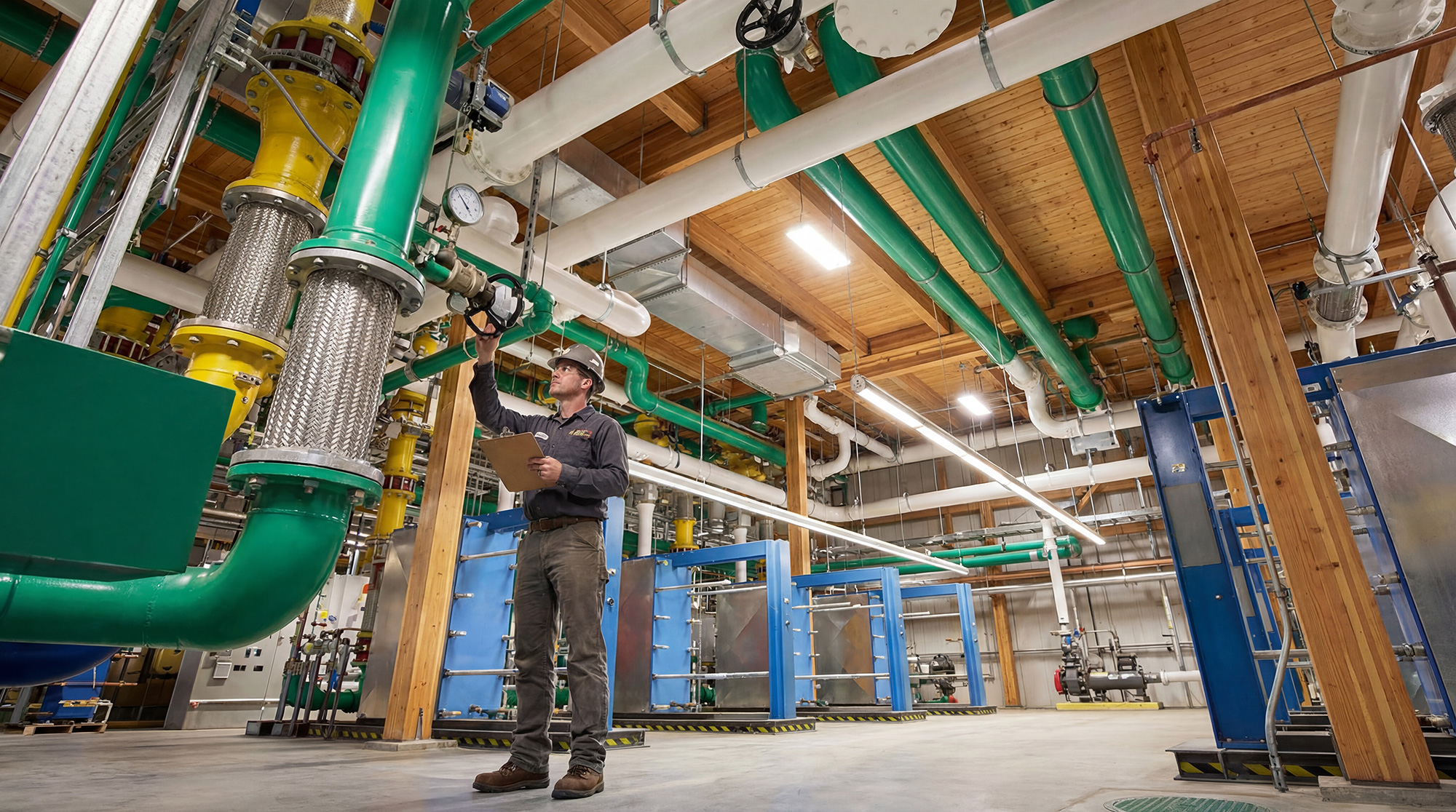
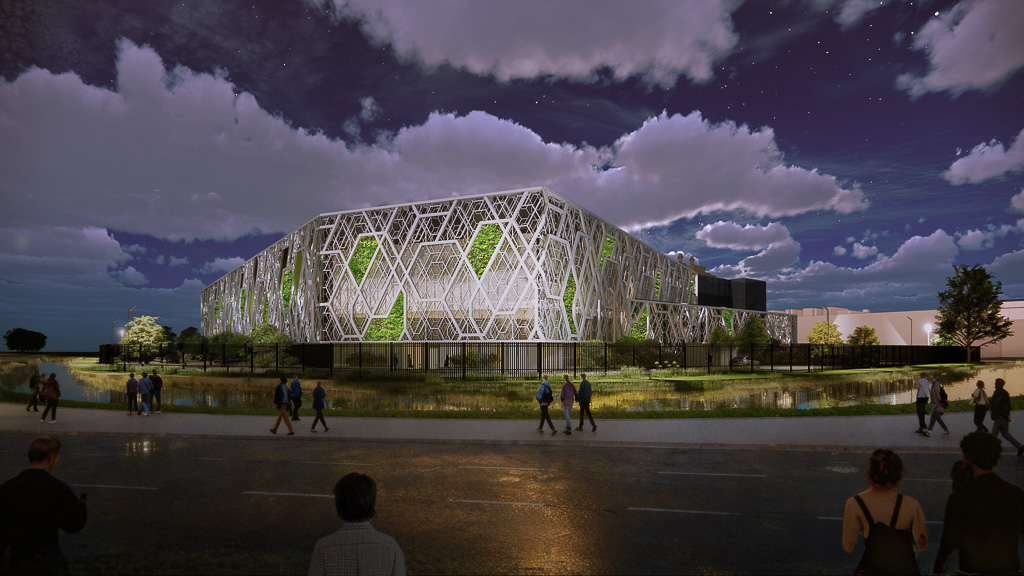
Confidential Cloud Complex Data Centre
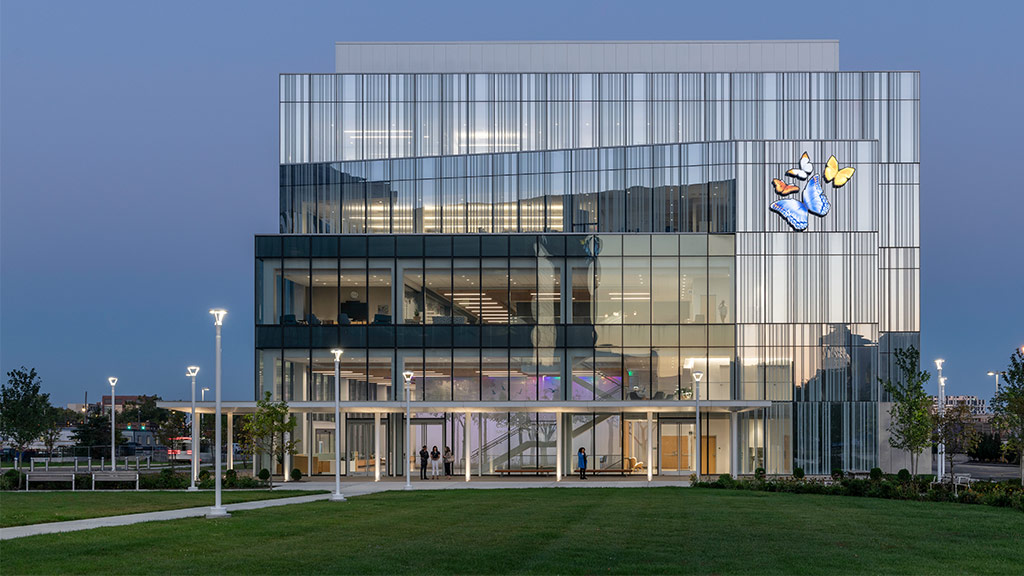
Nationwide Children’s Hospital — Data Center + Conference + Medical Simulation Facility
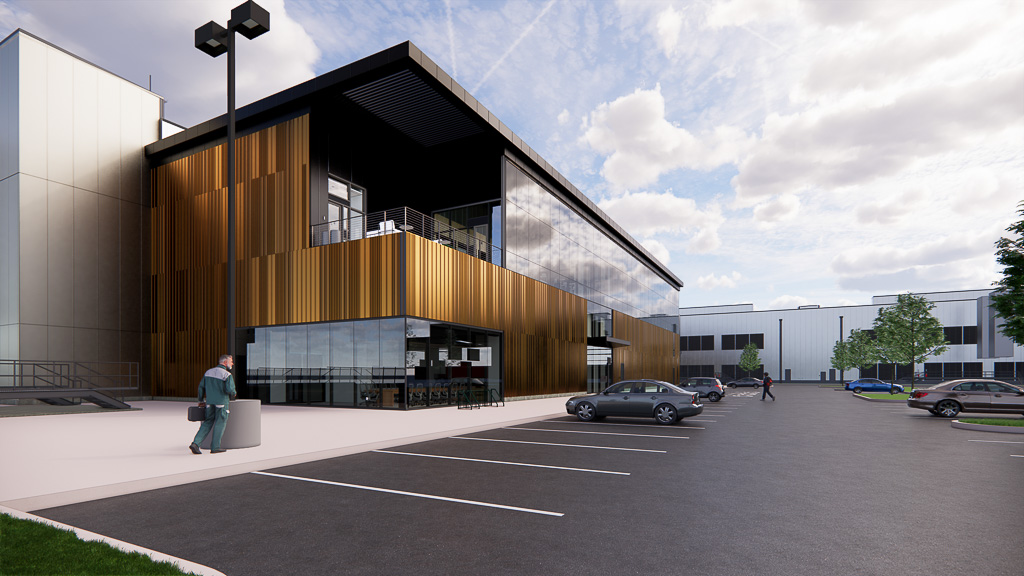
Microsoft Mass Timber Hyperscale Data Centers
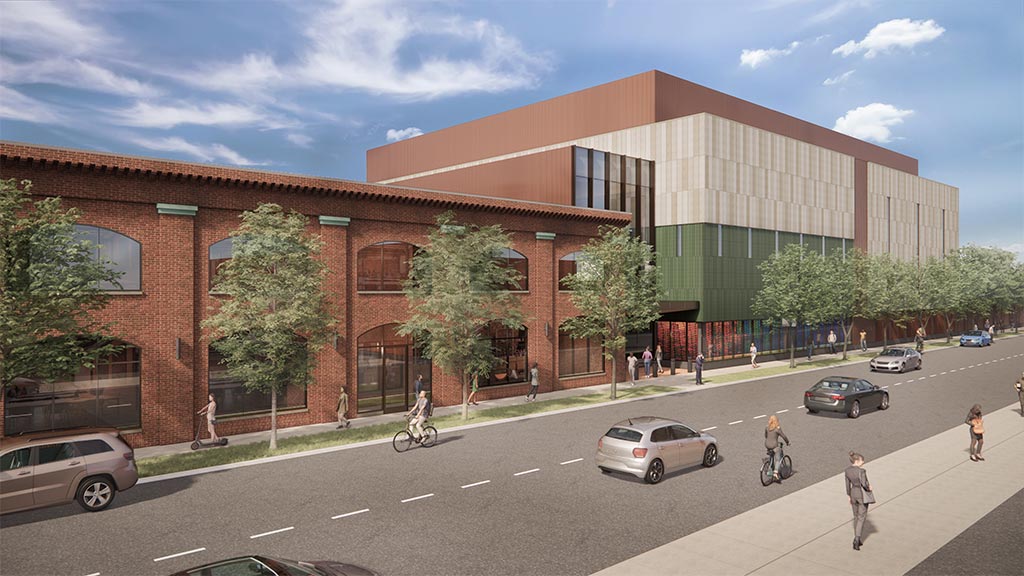
HydraVault
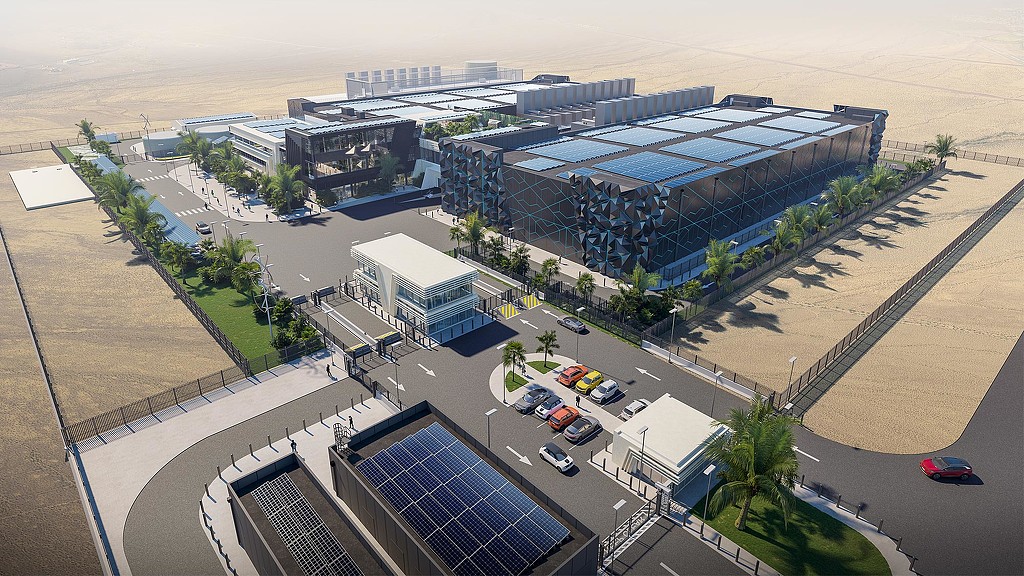
Future Digital Data Systems Data Centre
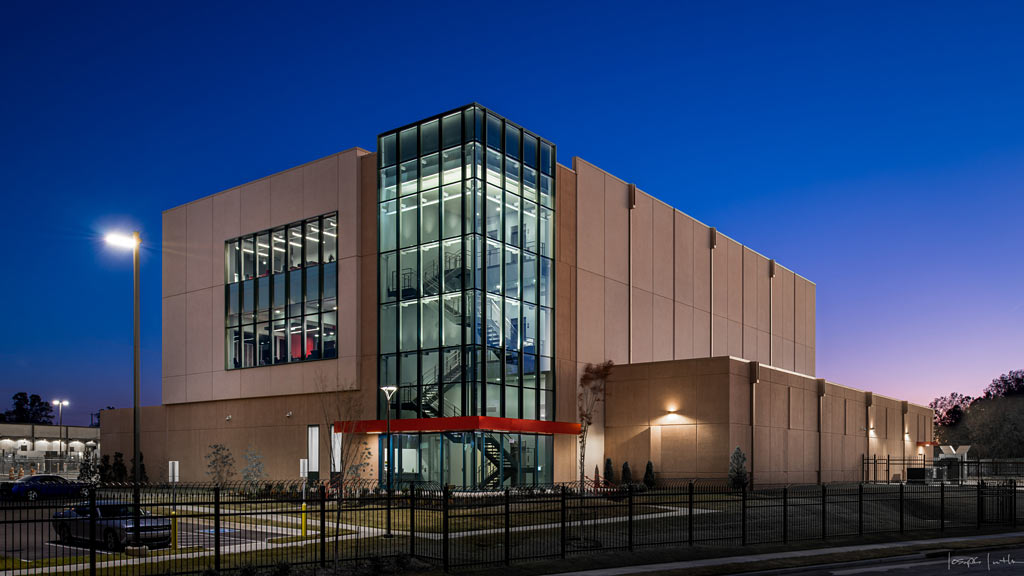
St. Jude Children’s Research Hospital Data Center
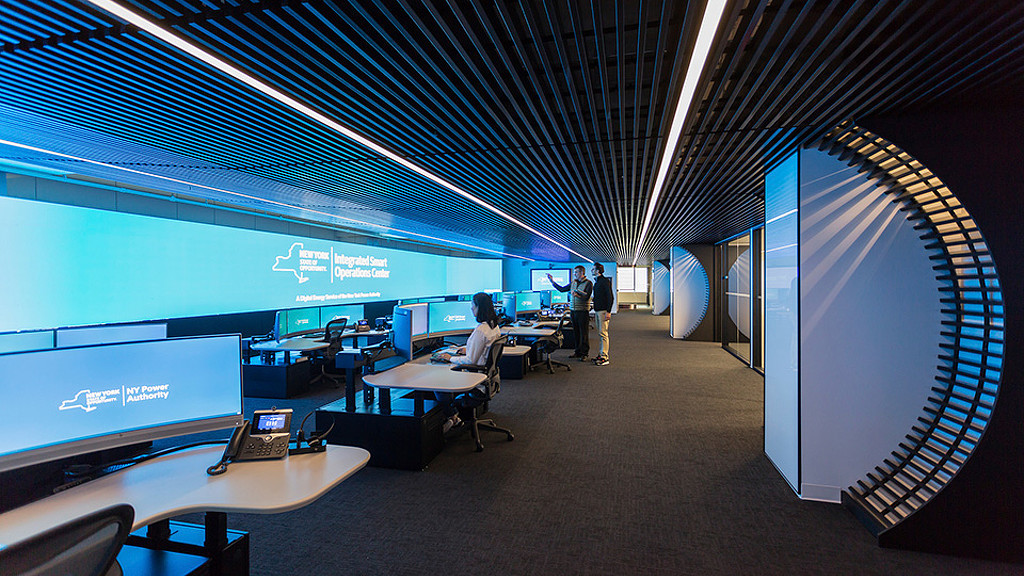
New York Power Authority (NYPA)
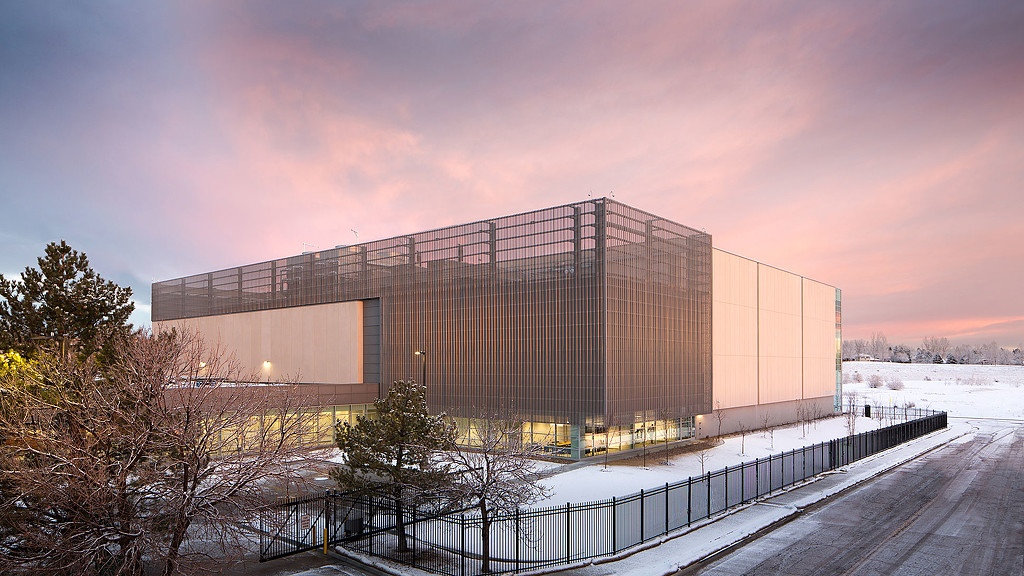
Charter Communications National Center West
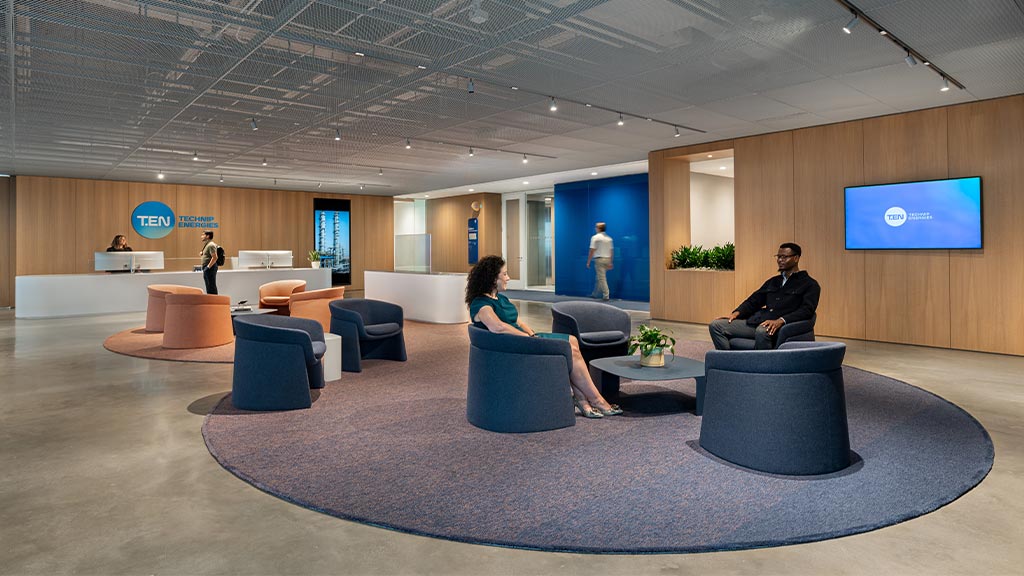
Technip Energies
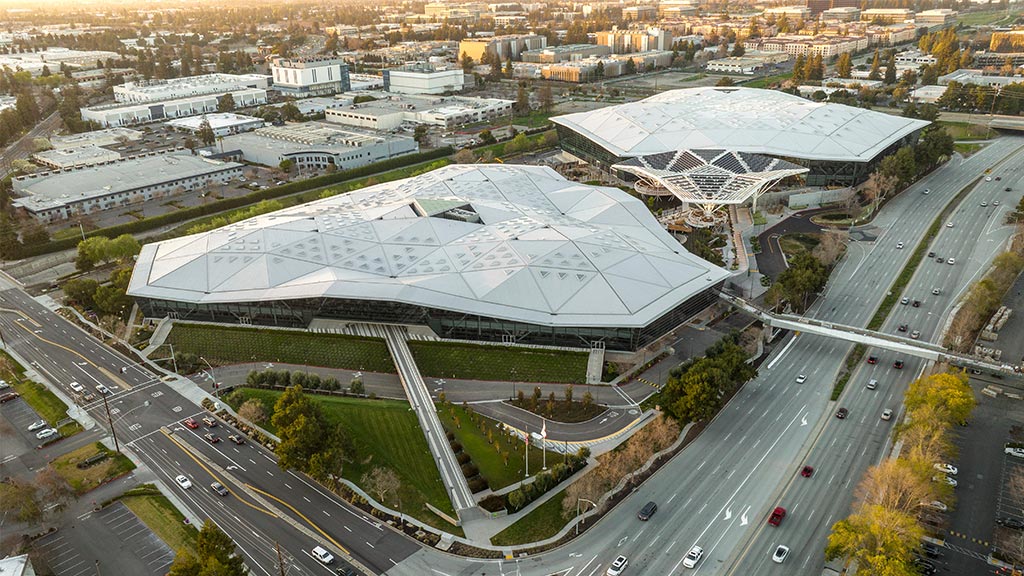
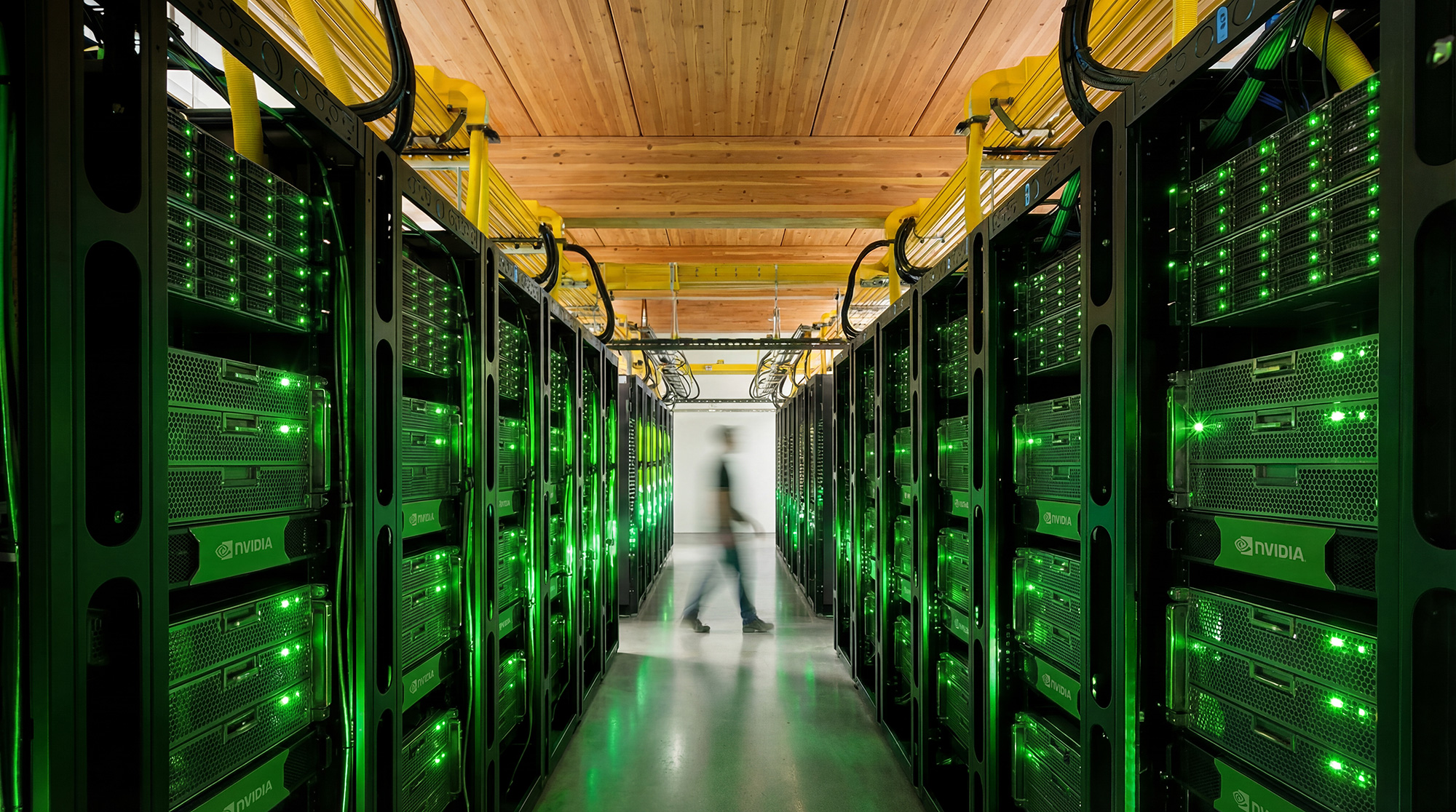
NVIDIA
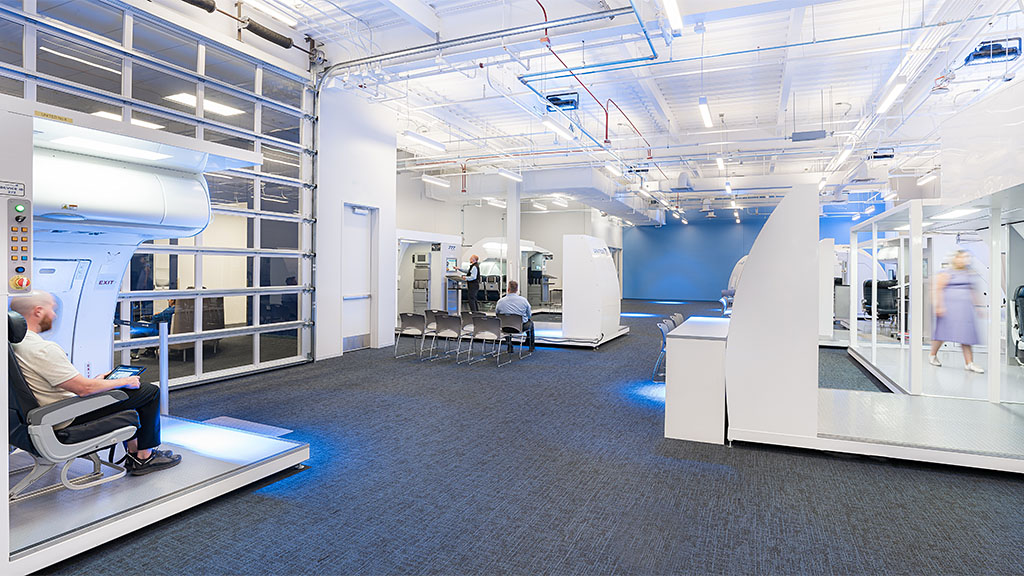
United Airlines Inflight Training Center
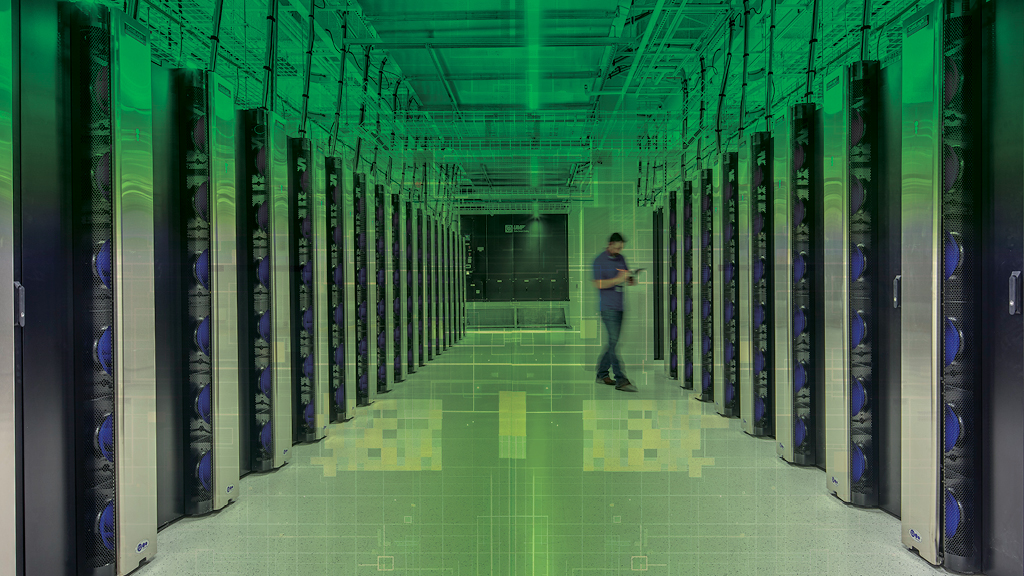
Redesigning Data Centers for Environmental Impact
Geo-Trends: U.S. Northeast
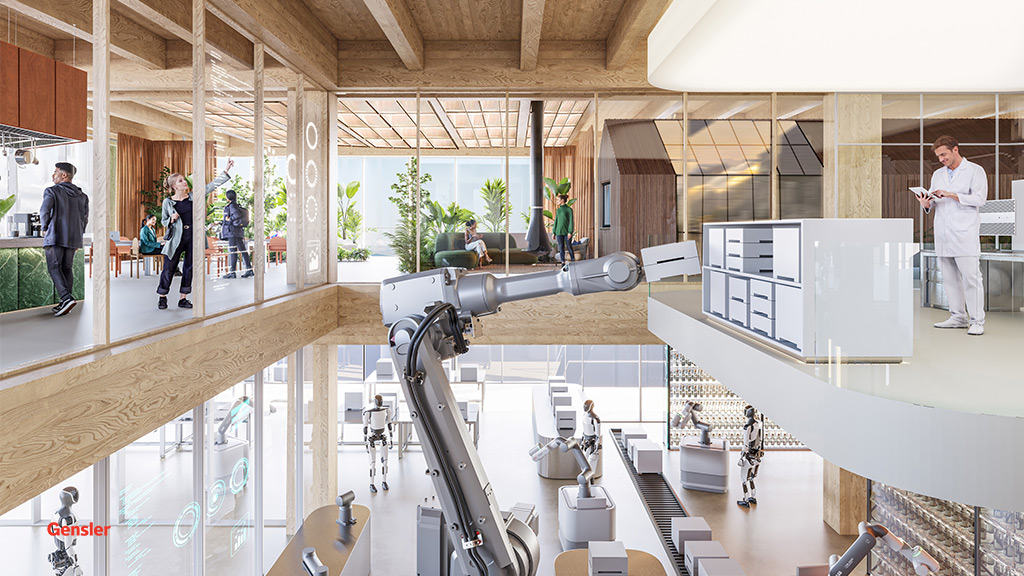
NEXT NEXT: Redefining Science Work for the AI and Machine Era
Designing a New Way to Think in the Age of AI
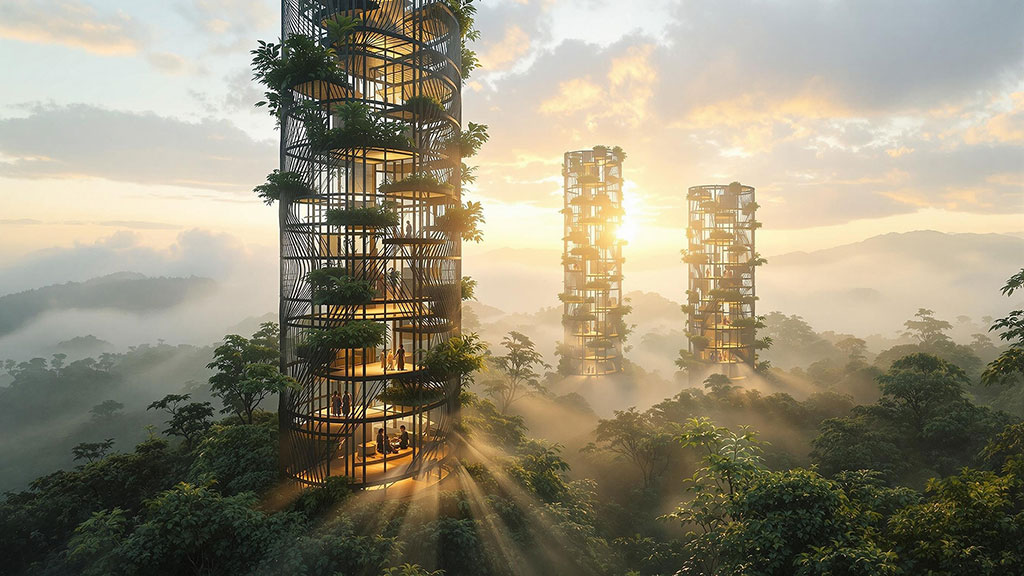
Design as Storytelling: How AI Is Transforming the Way We Imagine, Create, and Connect
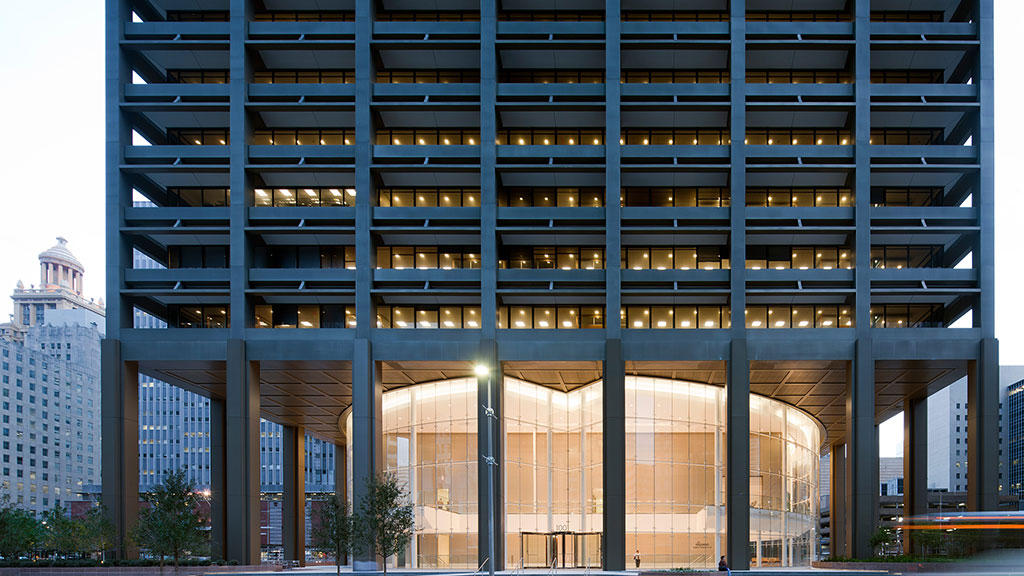
Historic Buildings: A New Solution for Modern Data Centers
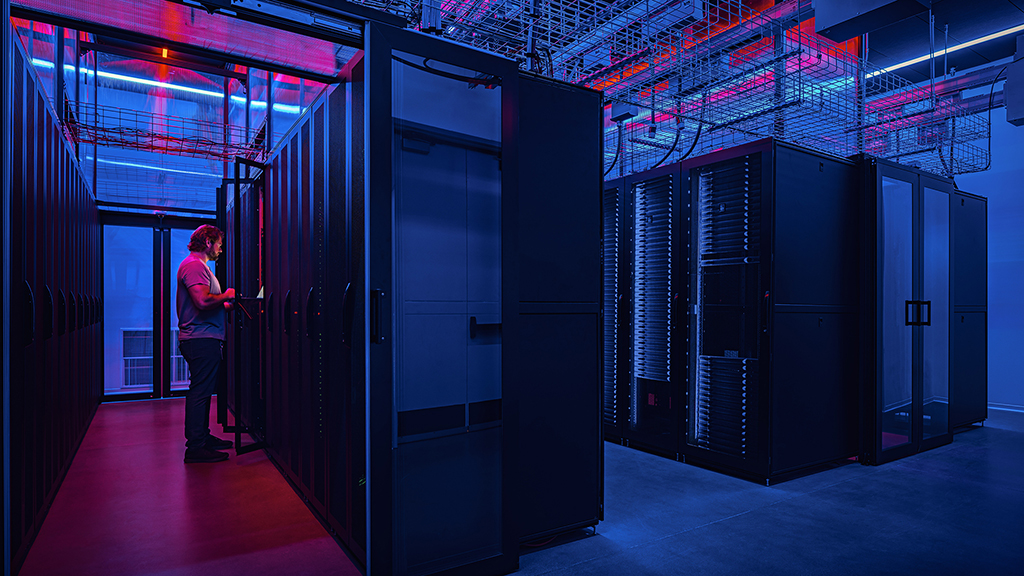
How AI Is Driving Innovation in the European Data Centre Market
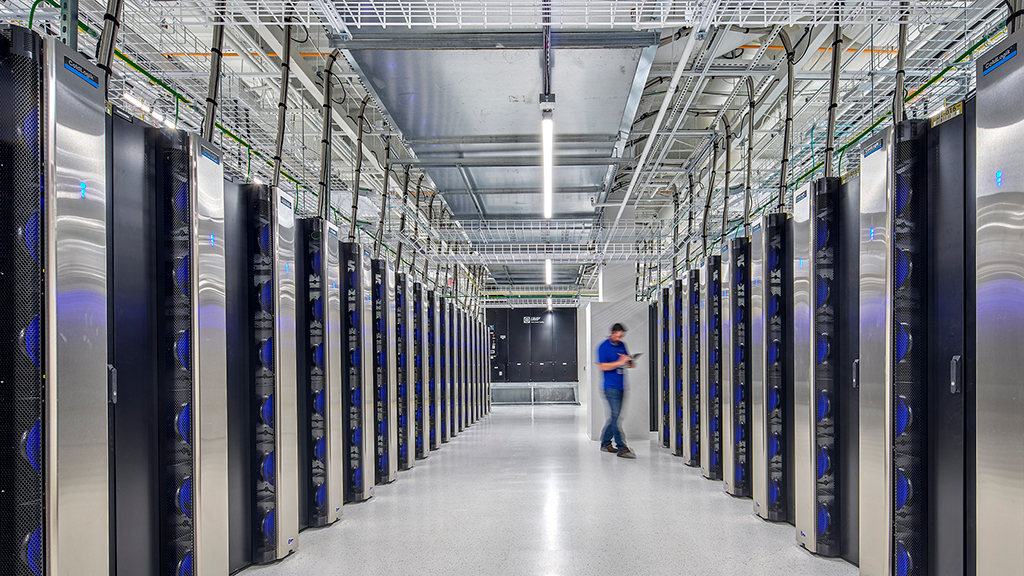
How the AI Gold Rush Is Influencing Data Center Design Trends
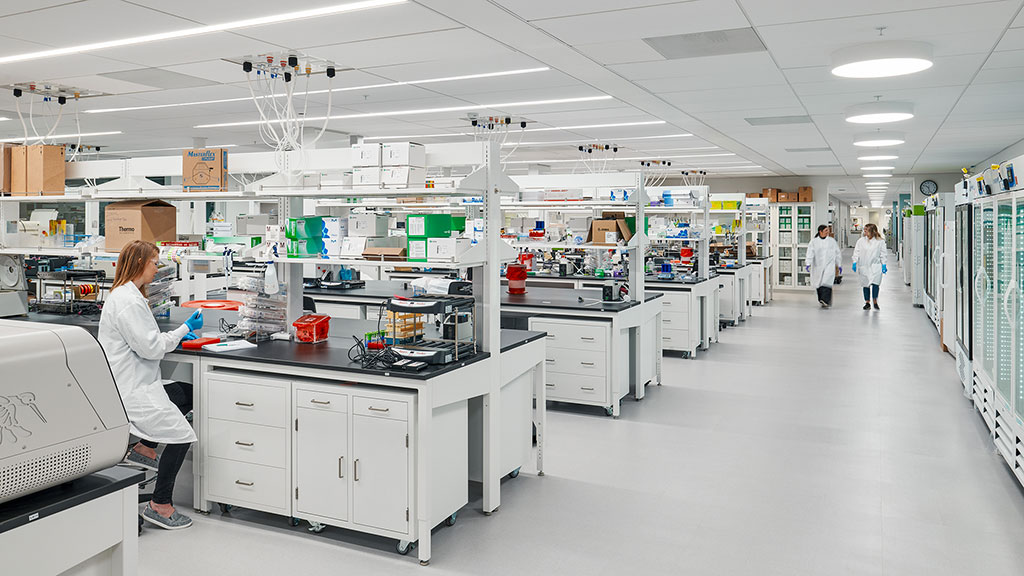
How AI and Emerging Technologies Will Transform the Future of Labs
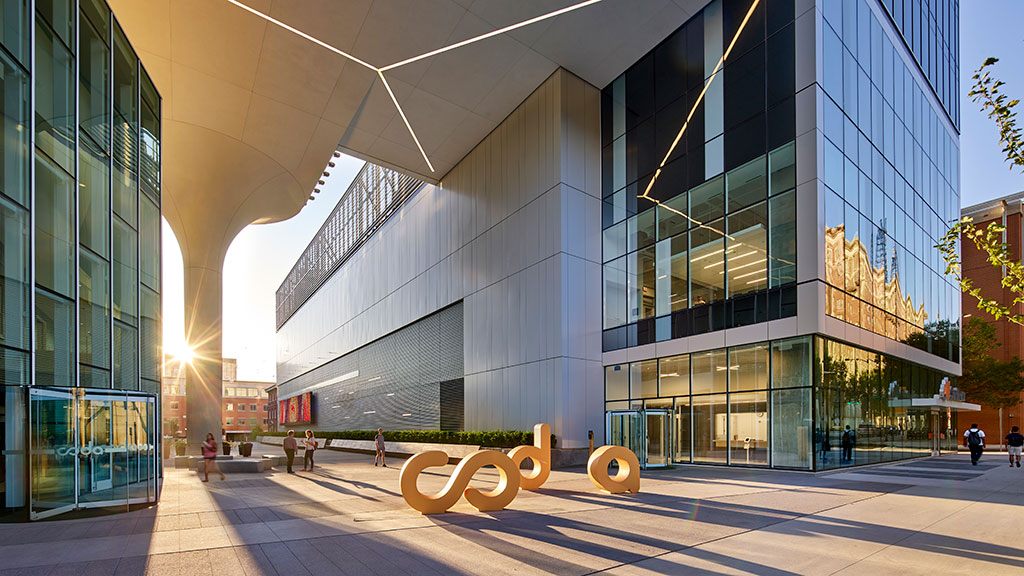
How Communities Can Benefit From Mixed-Use Data Center Integration
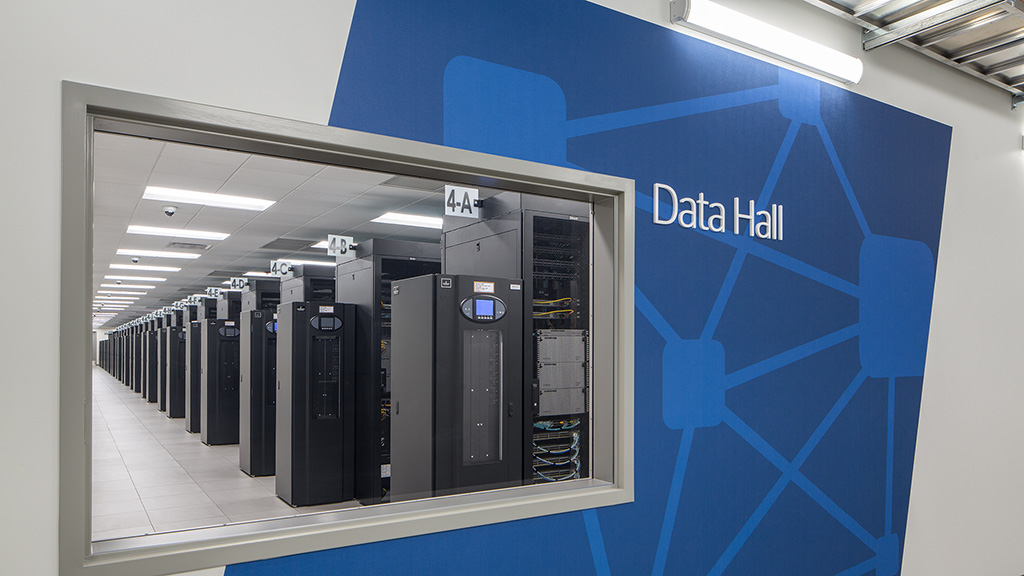
Data Keeps Us Going:
How Data Centers Power Society