Critical, Efficient, and Certified: The Role of Third-Party Rating Systems in Data Center Sustainability
As data centers become the indispensable engines of our growing digital landscape, the industry is seizing the opportunity to lead in environmental stewardship. Recognizing the scale and energy needs of these critical facilities, sustainability has become a driving force for innovation and efficiency across the sector. Through our work with prominent data center clients, we are piloting innovative strategies and redefining what’s possible in terms of data center sustainability, including mass timber design, low-carbon materials, and environmental stewardship.
Simultaneously, Gensler is helping our clients achieve third-party green building certification, which has proven to be a critical tool for establishing a consistent baseline of performance for data center developers of all sizes. These certifications recognize meaningful steps towards resilience and sustainability, such as improved energy efficiency, water conservation, and more sustainable material choices, while also communicating these achievements to key stakeholders.
Benefits of Green Building Certifications for Data Centers
Pursuing green building certifications can offer data centers a variety of operational benefits that support both sustainability goals and long-term business performance.
- Regulatory Alignment & Incentives: Certifications can help meet local sustainability requirements and may unlock financial incentives, such as tax credits or rebates.
- Enhanced Brand Reputation: Demonstrating a commitment to environmental responsibility can strengthen a company’s public image, appeal to clients who value sustainability, and positively engage their local communities.
- Operational Resilience: Thoughtful commissioning and planning practices encouraged by certification frameworks can lead to more reliable systems and longer-lasting infrastructure.
- Third-Party Validation: Independent reviews provide credibility and transparency, helping stakeholders feel confident that sustainability efforts are backed by evidence and not just marketing.
- Collaborative Design Process: Certification pathways often promote integrative design by bringing diverse stakeholders together to make informed, sustainable decisions from the start.
Green Building Certification Options for Data Centers
As data center campuses expand, leading certification programs are adapting to their unique scale. Data center teams now have multiple pathways to pursue green building certifications.
- Green Globes: offered by Green Building Initiative (GBI)
-
- Data Center Campus Certification: In May 2025, GBI and Compass Data Centers piloted the Green Globes Data Center Campus Certification. This program simplifies the process by enabling shared documentation across campus buildings and by assigning a consistent assessor. Additionally, it reduces overhead through discounted registration, review, and travel costs.
- Individual Building Certification Programs:
-
- New Construction
- Existing Buildings
- Leadership in Energy and Environmental Design (LEED): offered by US Green Building Council
-
- LEED Volume: Developers with large-scale planned portfolios can pre-approve credits based on standardized designs. This approach can be streamlined across a single campus or scaled globally.
- Individual Building Rating Systems:
-
-
- LEED BD+C (Building Design and Construction)
- LEED O+M (Operations and Maintenance)
- LEED BD+C: Core and Shell (may be applicable to data center projects where more than 40% of the gross floor area is incomplete at the time of certification.)
-
Gensler’s Impact: Leading by Example
Case Study 1: Tackling Carbon and Water with Aligned Data Centers
Case Study 1: Tackling Carbon and Water with Aligned Data Centers
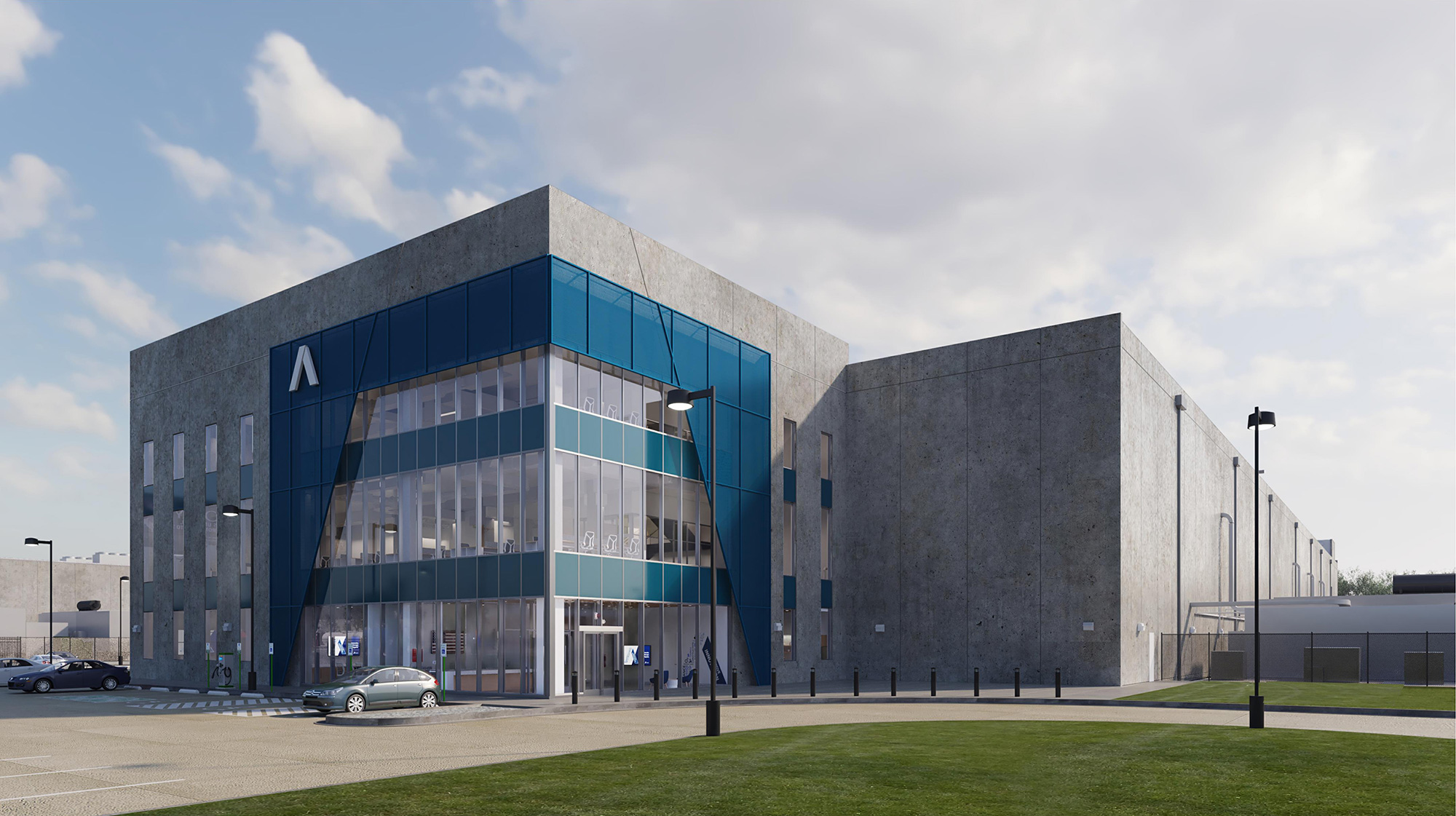
The ORD02 data center, designed by Aligned in collaboration with Gensler, earned a Three Green Globes certification. It was also awarded the 2024 GBI Project of the Year — Carbon Reduction Specialty Award and was the only data center recognized at the ceremony.
ORD02 showcases how thoughtful design can successfully balance environmental stewardship with the demands of high-density digital infrastructure. The project integrates strategies to reduce both operational and embodied carbon, with standout features including:
- Energy Efficiency: A 98 ENERGY STAR percentile score, achieved through advanced insulation, LED lighting, and high-performance mechanical systems.
- Water Conservation: WaterSense-labeled flow and flush fixtures led to a 35% reduction in water usage. Additionally, the deployment of a closed-loop cooling system allows water to be continuously recycled in a sealed environment, eliminating strain on local municipal water supplies.
- Material Transparency: Use of low-VOC, low-embodied carbon materials with EPDs and HPDs promote healthier indoor environments.
- Renewable Energy: 100% renewable energy in the U.S. since 2020.
Case Study 2: Five Data Centers, Two Green Globes
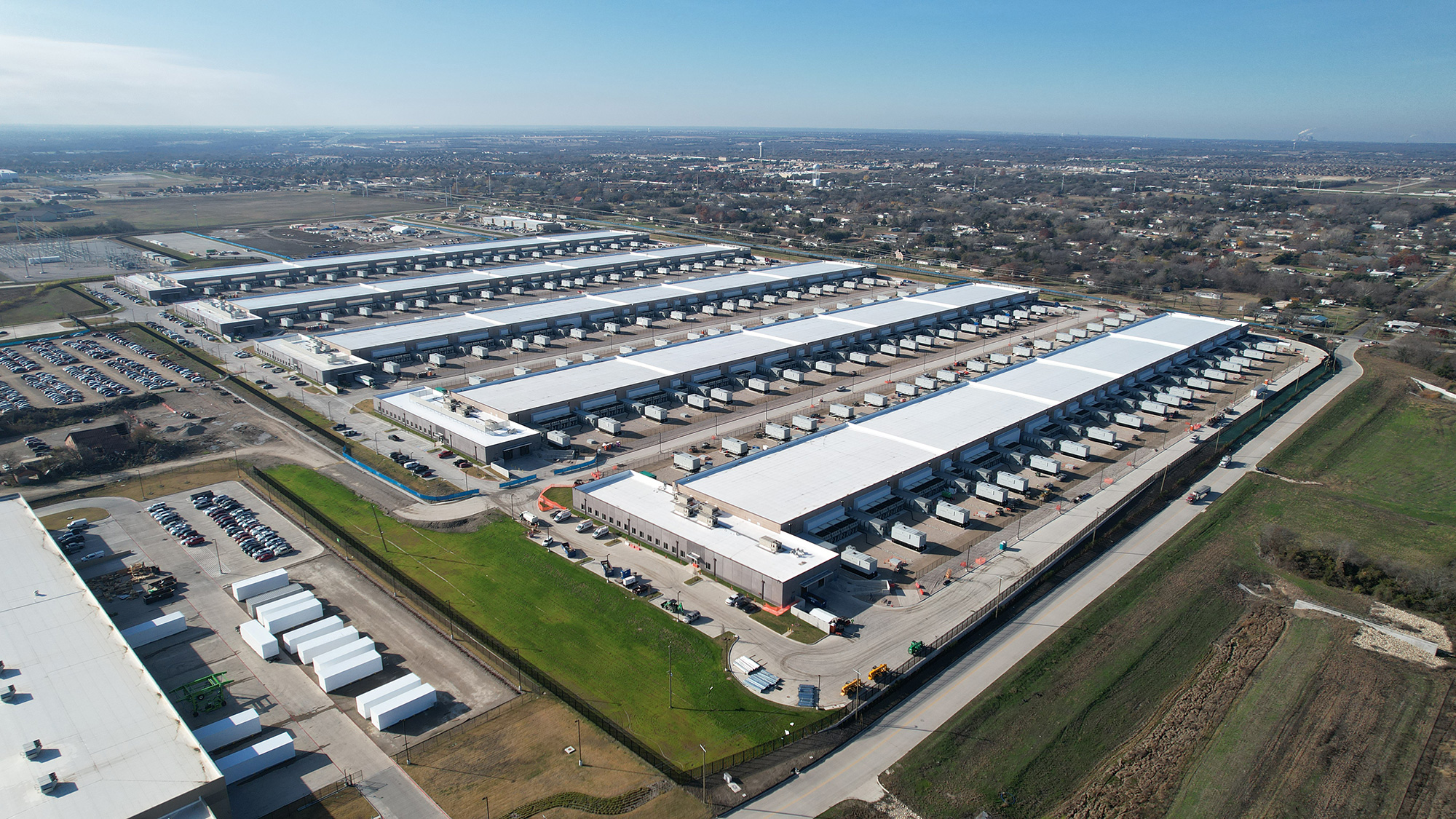
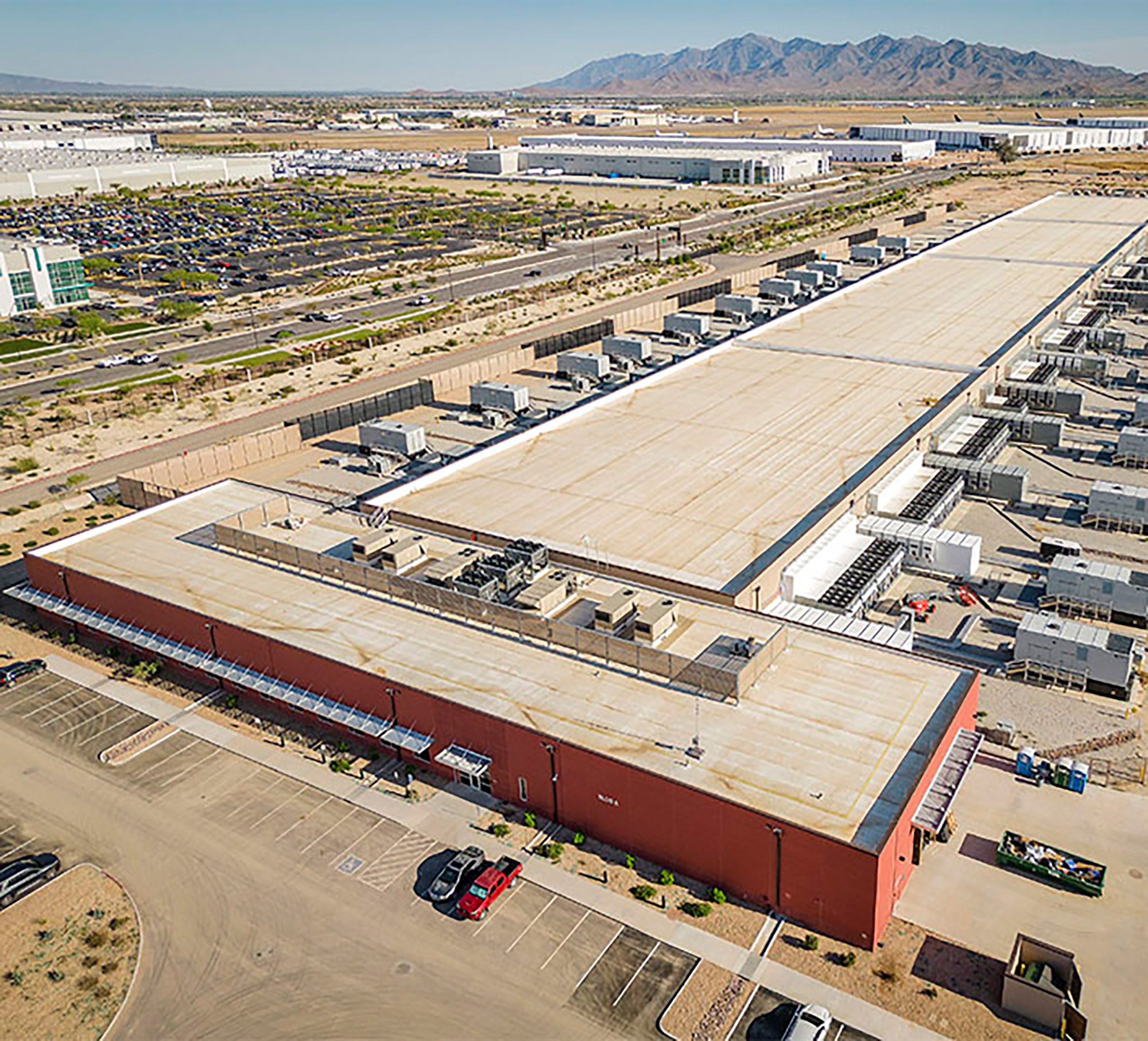
Gensler partnered with a major data center client to certify five nearly-completed facilities, targeting two Green Globes each. The client needed a low-intervention approach, minimal consultant rework, no physical changes, and all five sites certified simultaneously. Within six months, we delivered certifications for all five data centers without significant changes to the consultants’ scopes. This project demonstrates how clients can efficiently certify “as-is” designs through Green Globes by documenting the best practices already implemented on the project.
Case Study 3: Urban Adaptive Reuse Meets Big Tech | HydraVault Data Center
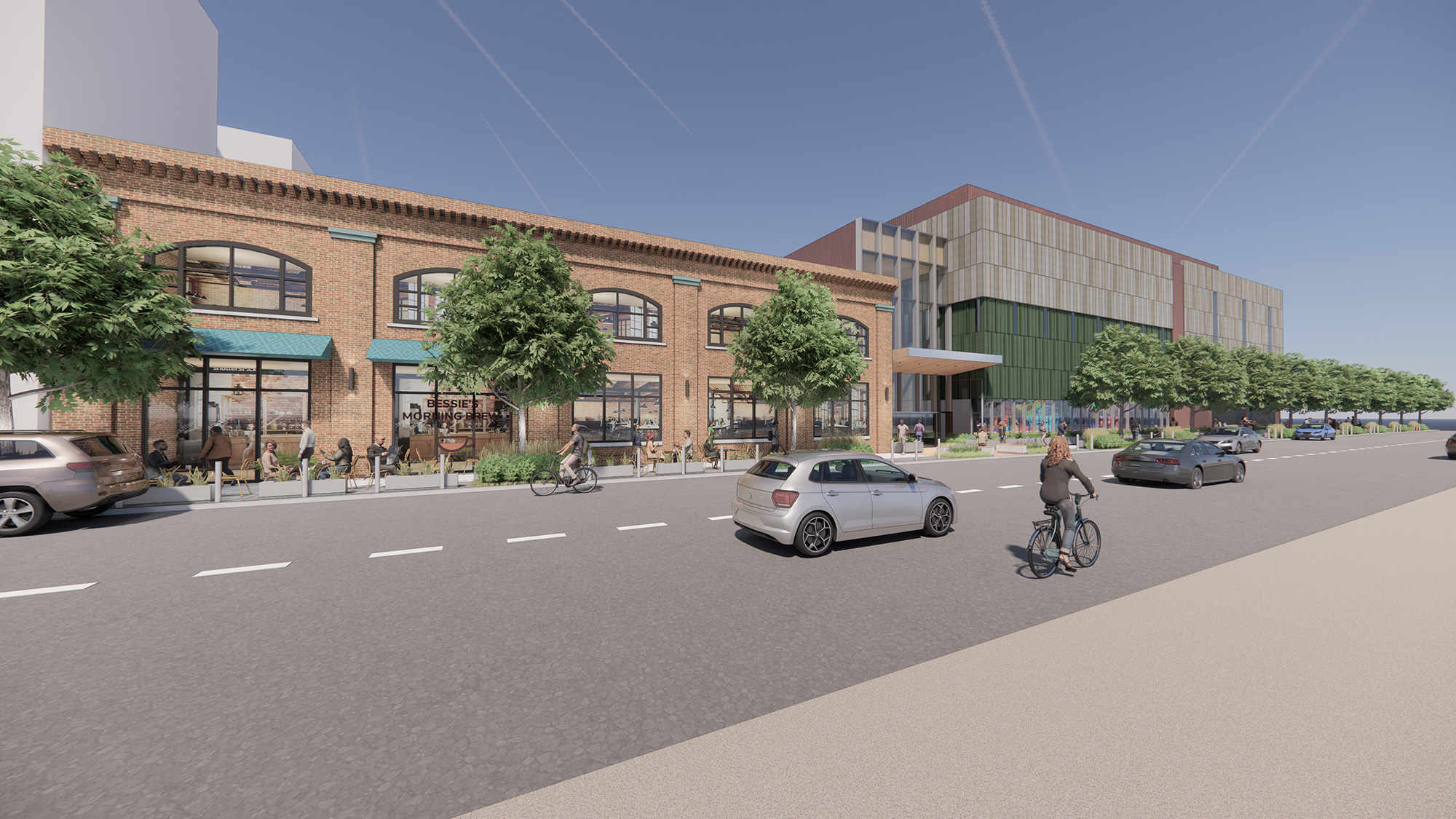
Case Study 3: Urban Adaptive Reuse Meets Big Tech | HydraVault Data Center
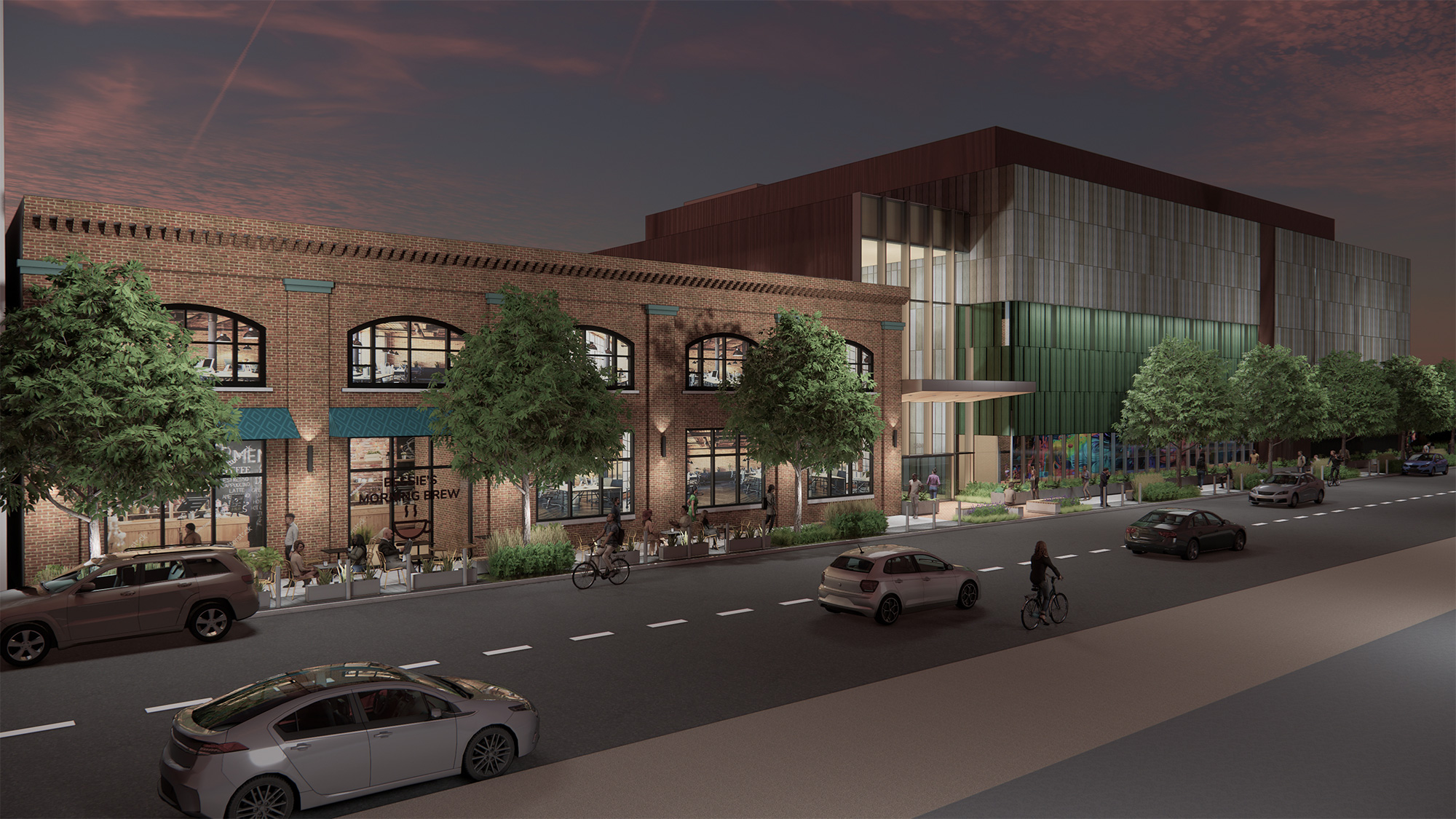
In pursuit of Green Globes certification, HydraVault partnered with Gensler to transform an existing urban structure into a high-performance data center. The project embraced adaptive reuse to preserve the original building's architectural integrity while significantly reducing embodied carbon emissions. The design integrates community-focused elements, including a ground-level coffee shop and enhanced transit accessibility for employees, reinforcing Gensler and HydraVault’s commitment to sustainability and urban engagement. This hybrid approach exemplifies how tech infrastructure can align with environmental goals and contribute meaningfully to the urban fabric.
Case Study 4: Texas’ First LEED v4 Data Center: Gensler Designed Equinix DA11 Sets a New Benchmark
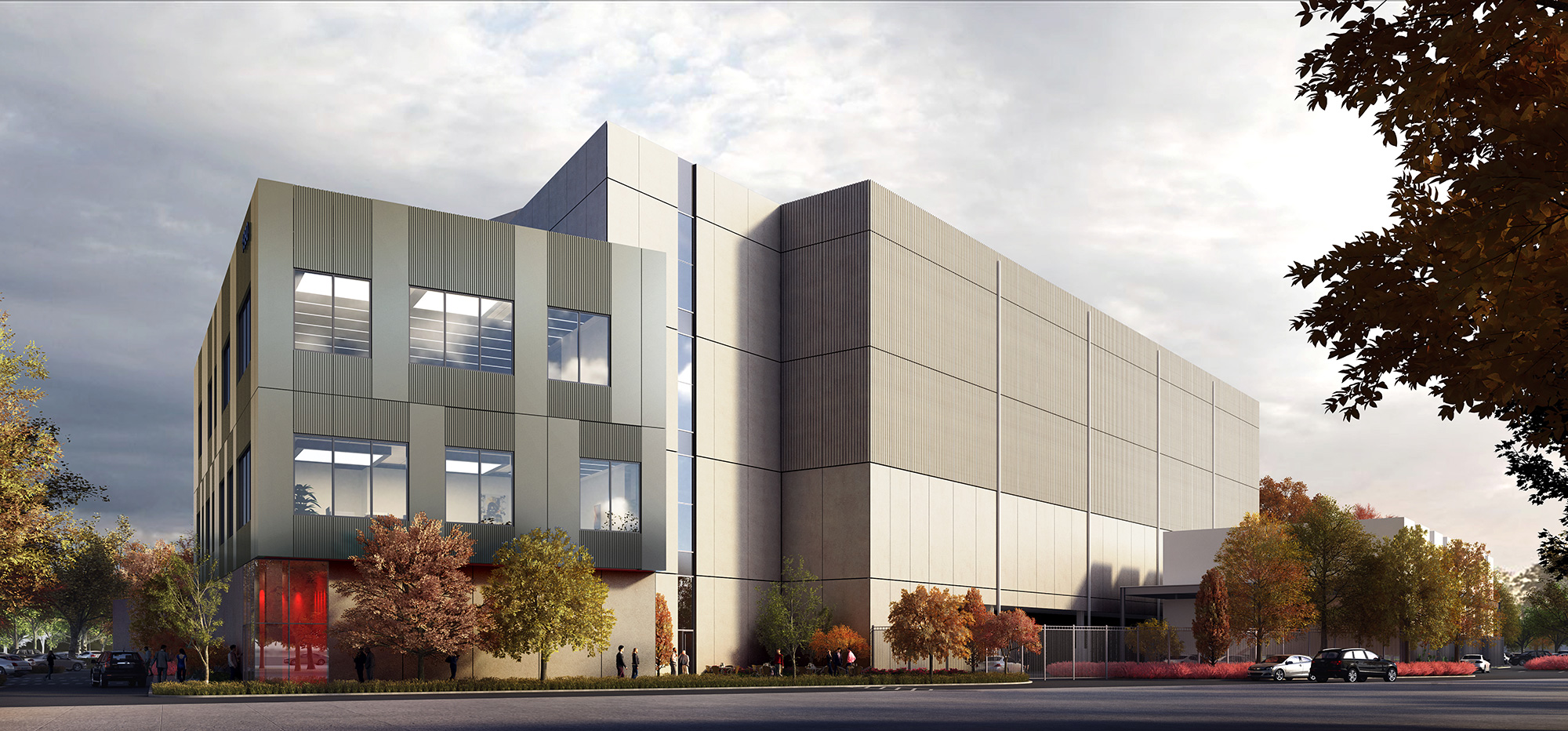
Case Study 4: Texas’ First LEED v4 Data Center: Gensler Designed Equinix DA11 Sets a New Benchmark
Equinix’s DA11 is a 4-story, state-of-the-art IBX data center built to meet demand for network exchange services in downtown Dallas. It was the first Gensler-designed data center to achieve the stringent LEED v4 BD+C: Data Centers Silver certification, and the first data center to achieve that certification in Texas. The project performed particularly well in the following categories:
- Energy Efficiency: Achieved nearly 20% reduction in energy costs compared to the ASHRAE 90.1 baseline.
- Water Conservation: Achieved a 40% reduction in potable water use compared to the LEED baseline.
- Materials: Prioritized responsible use of materials with strong sustainability attributes.
- Renewable Energy: As of 2024, 100% of operational energy offset with Renewable Energy Credits from wind and solar sources.
A Greener Future for Data Centers
With sustainability and efficiency as a core business priority for data center developers, third-party green building certifications offer an important first step on the path forward. We expect the landscape of green building certification for critical facilities to continue to evolve as leaders in the industry set new precedents for balancing speed and size with environmental performance. While challenges remain, Gensler is proud to be at the forefront of this transformation: building a more resilient, lower-carbon digital world.
For media inquiries, email .